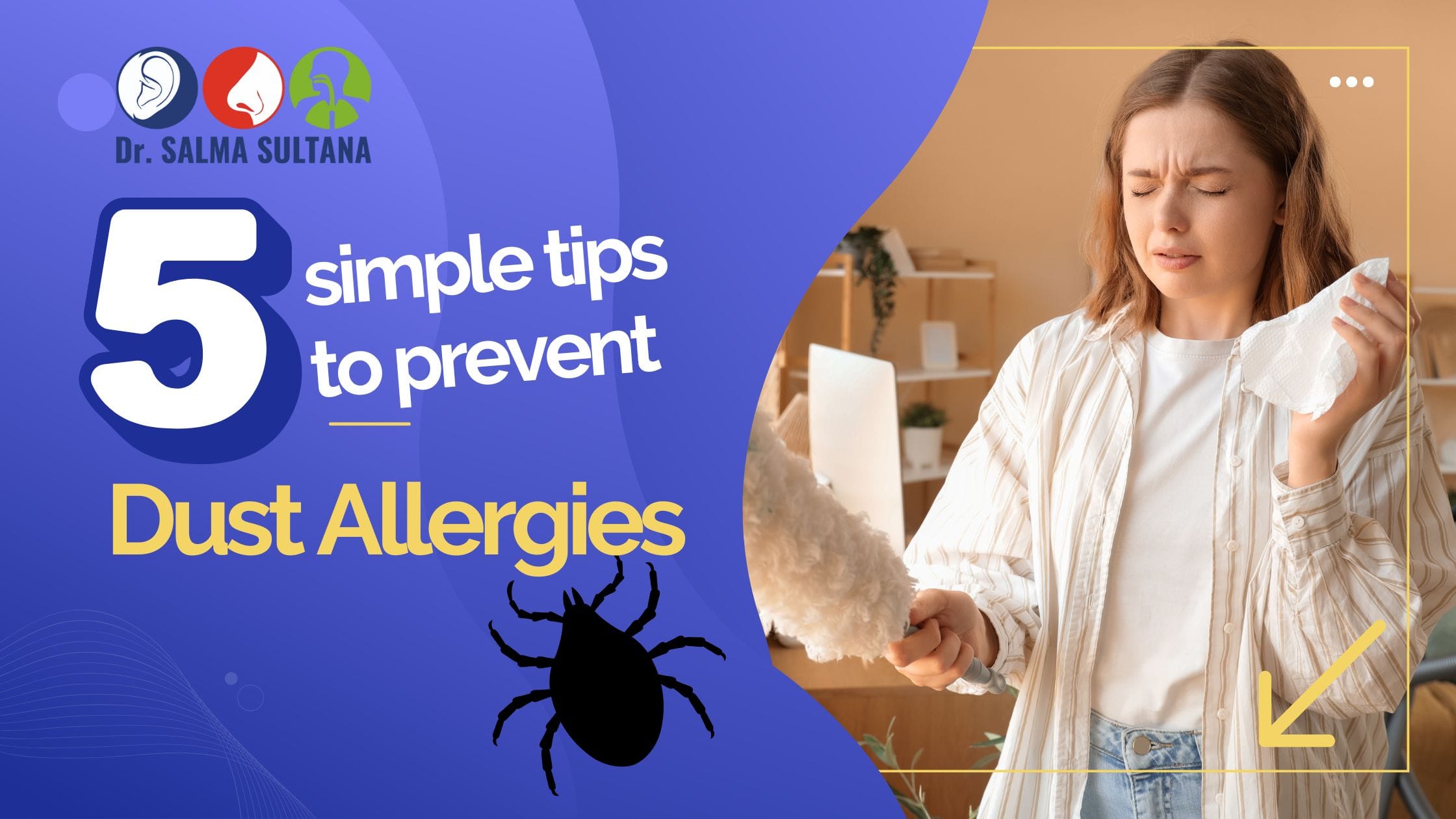
How to Prevent Dust Allergy at Home: Practical Tips for Indian Families
Dust allergy is one of the most common triggers of sneezing, runny nose, itchy eyes and persistent cough in India. Whether you live in a metro city filled with pollution or a rural area with dry winds, dust mites and indoor dust buildup can easily trigger allergic symptoms. The good news? Small changes in how we clean, ventilate, and maintain our homes can significantly reduce dust exposure
Here are simple, evidence-based tips to help you breathe easier
1. Control Humidity
Dust mites thrive in warm and humid weather—something very common across many Indian states.
What you can do:
- Keep indoor humidity below 50% using AC or a dehumidifier.
- Sun-dry mattresses, pillows, carpets and blankets regularly.
- Improve ventilation in kitchens and bathrooms to reduce moisture.
This simple step can drastically reduce dust-mite population inside your home.


2. Dust-Proof Your Bed & Bedroom
Your bedroom is where you spend 6–8 hours daily, making it the most important place to allergy-proof.
Tips:
- Use allergen-proof covers for pillows and mattresses.
- Wash bed linens weekly in hot water.
- Replace heavy blankets with lightweight washable ones.
- Avoid storing unnecessary items under the bed—they collect dust easily.
A clean bedroom = fewer symptoms.
3. Reduce Dust-Holding Fabrics
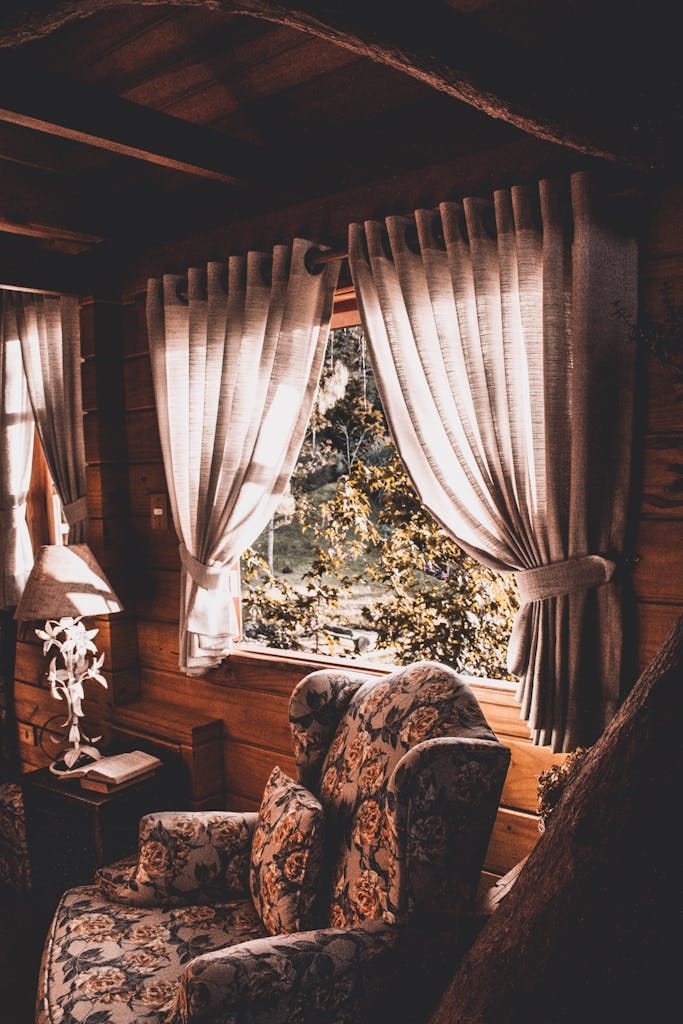
Indian homes often have heavy curtains, carpets, rugs, and fabric sofas that trap dust.
Better alternatives:
- Switch to cotton curtains and wash them frequently.
- Avoid thick carpets; choose light, washable rugs if needed.
- Prefer wooden, leather or plastic furniture instead of large fabric sofas.
- Limit stuffed toys or wash them in hot water.
A fabric-light home stays dust-free longer.
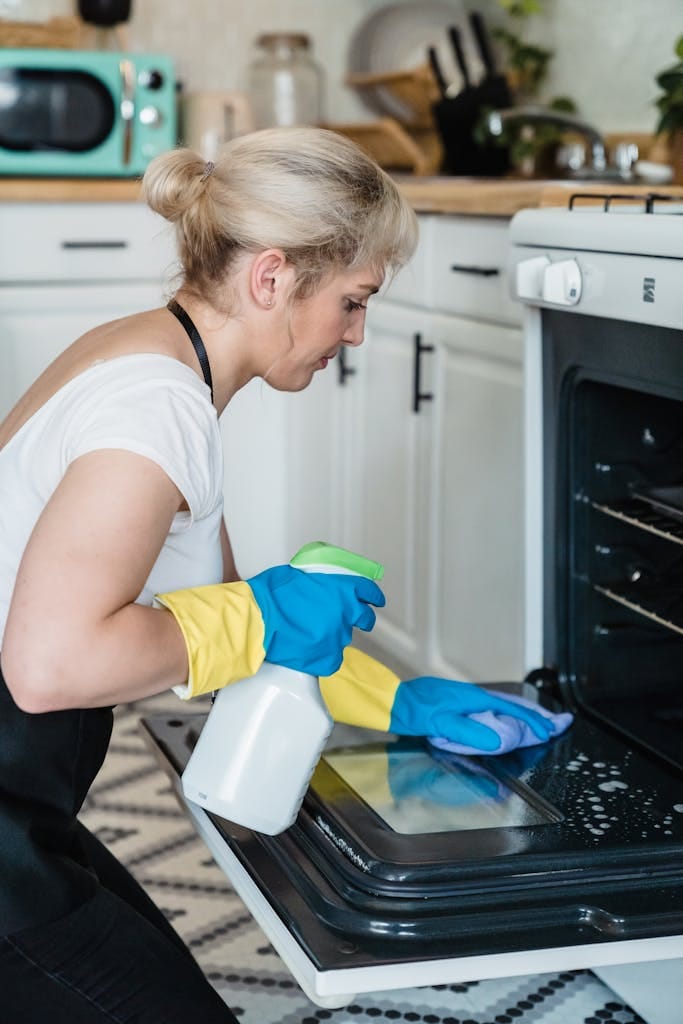
4. Clean Smart, Not Just More
How you clean matters just as much as how often you clean.
Best practices:
- Dust using a damp cloth or microfiber cloth to prevent dust from flying around.
- Use a vacuum cleaner with a HEPA filter for floors, sofas and mattresses.
- Wear a mask while cleaning if you are sensitive.
- Sweep less, vacuum more—traditional sweeping raises dust into the air.
Small technique changes reduce the dust cloud indoors.
5. Improve the Air You Breathe
Air quality in Indian cities is often poor, and dust from outside easily enters the home.
What helps:
- Keep windows closed during high-dust times (early morning & evening in busy areas).
- Use a HEPA air purifier, especially in the bedroom.
- Keep shoes outside and avoid outdoor clothes on beds or sofas.
- Grow low-maintenance indoor plants that don’t collect excessive dust.
Cleaner air means fewer allergy flare-ups.
Final Thoughts
Dust allergy can be frustrating, but with the right home practices, you can significantly reduce symptoms. These steps are simple, practical and work well for Indian households where climate, dust levels and living habits are different from the West.
If you or your child suffer from persistent sneezing, nasal congestion, cough or repeated breathing issues, you may need an evaluation by an allergy specialist. Treatment options like skin prick testing, allergen avoidance, and immunotherapy can provide long-term relief.